
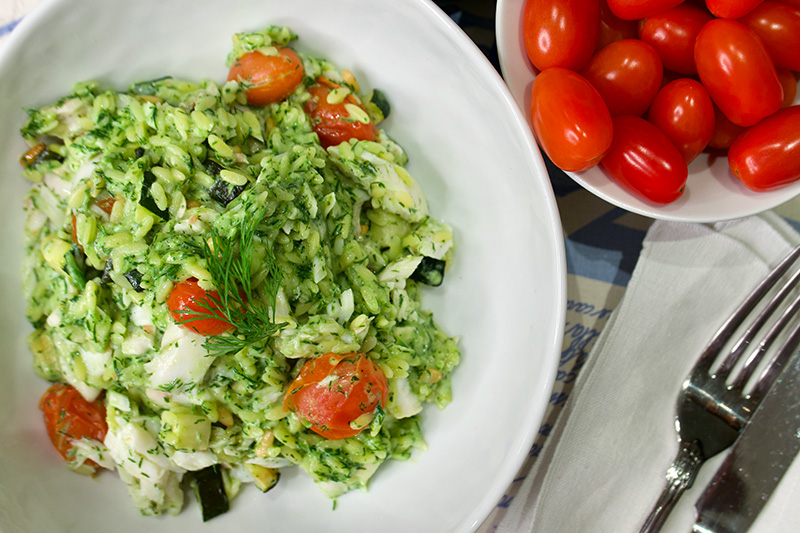
Halibut with Dill Pesto Orzo

Place a large skillet in the oven and preheat to 400°F.

Place the water in a large sauce pan over high heat.

When the water is boiling add the orzo. Reduce the heat to medium-high so the water won’t boil over.

While the pasta is cooking add the olive oil to the skillet.

Add the pine nuts, tomatoes and zucchini to the skillet and place the pan in the oven.

Roast for five minutes and shake the pan to stir the veggies well.

Roast for another five minutes and place the halibut in the skillet. Return the pan to the oven.

Roast the veggies and fish for five minutes and turn the fish over.

Return the skillet to the oven.

When the orzo is done (between 15 and 20 minutes) drain and return the past to the pot.

Add the goat cheese, pesto, salt and pepper.

Gently fold the cheese and pesto into the orzo.

Remove the skillet from the oven and place the halibut on a cutting board.

Add the pine nuts, tomatoes and zucchini to the pot and flake the fish into the pot with the pasta and veggies.

Gently fold the fish and veggies into the pasta.

Serve.
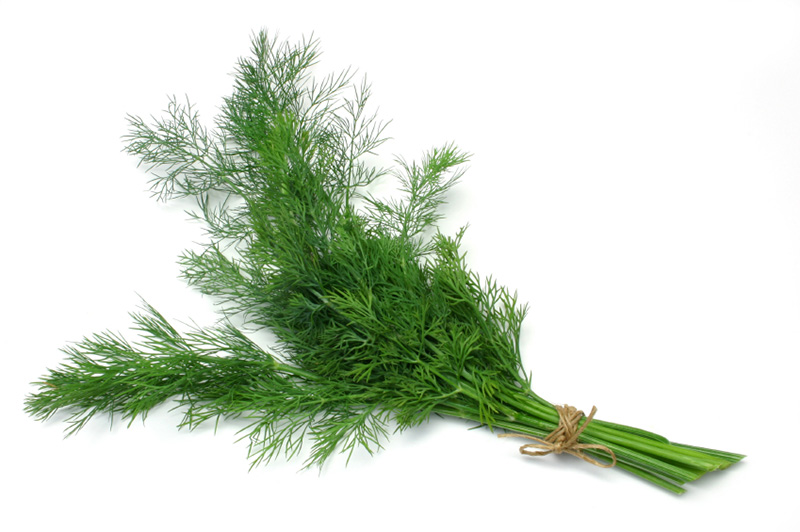
Halibut with Dill and Potato Topping

Place the water in a large stock pot over high heat. Add the potatoes and cook until the water has been boiling for about 8 to 10 minutes.

Remove the potatoes and rinse under cold water. Slice as thinly as you can.

Place a large skillet in the oven and preheat the oven to 425°F.

Rinse the halibut filets under cold water and pat dry. Place on a cutting board skin side down. Spread the dill across the top of the fish and then sprinkle with the tarragon, salt and pepper.

Gently layer the potatoes on the fish beginning at one end and overlapping until the fish is covered. Top each of the fish with 1/2 teaspoon of the butter (save the other teaspoon for later).

Spray the skillet lightly with olive oil and place the fish in the pan skin side down. Cook for about 6 minutes and then spray the fish lightly with olive oil and change the setting of the oven to broil. Cook for about 4 more minutes and remove the pan from the oven.

Place the fish on plates and put the hot pan on the range over medium heat. Add the 1/4 cup water and the lemon juice and deglaze the pan. When the water has formed a sauce and reduced to about 2 – 3 tablespoons add the remaining butter. Whisk in and the pour the sauce over the fish and serve.

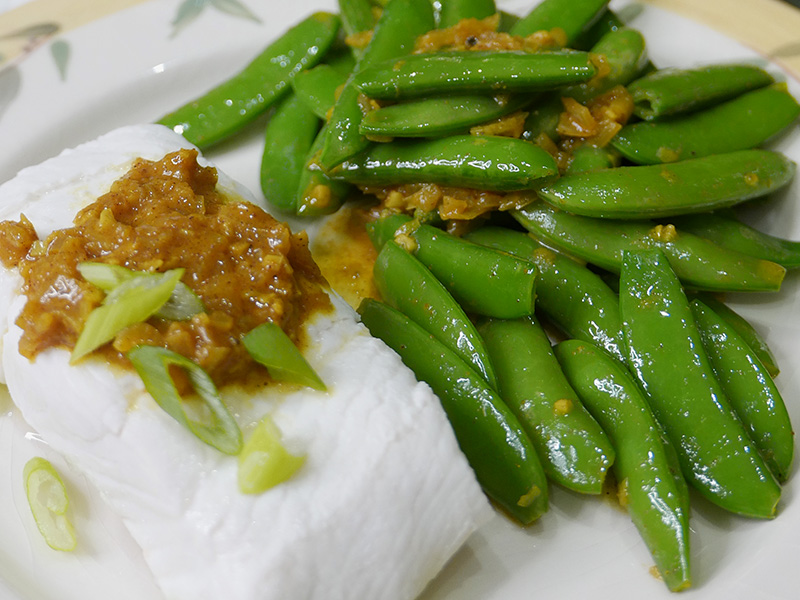
Halibut with Curry Butter and Snap Peas

Heat the olive oil in a small non-stick skillet over medium heat and add the minced garlic and minced shallot.

Cook, stirring frequently, until the shallot is translucent. Do not allow the garlic or shallot to brown.

Add the curry powder and then the butter along with the salt and pepper.

As the spread melts, stir with a spoon or spatula, scraping the bottom of the pan.

Set the pan on the back of the stove.

Place 2 quarts water in a medium sauce pan over high heat and bring to a simmer.

Reduce the heat to a shiver and add the peas to the water.

Cook for about 6 minutes until they are barely done and remove them to a bowl or cutting board.

Place 2 quarts water and the vinegar in a skillet over high heat and bring to a simmer.

Add the halibut and poach for 5 minutes.

Return the peas to the hot water.

After about 3 minutes, remove the peas to a paper towel to drain.

After about 3 minutes, remove the halibut to a paper towel to drain.

Place the drained peas on the plate surrounding the coconut rice.

Place the halibut on top of the coconut rice.

Top the halibut with the curry butter and serve.

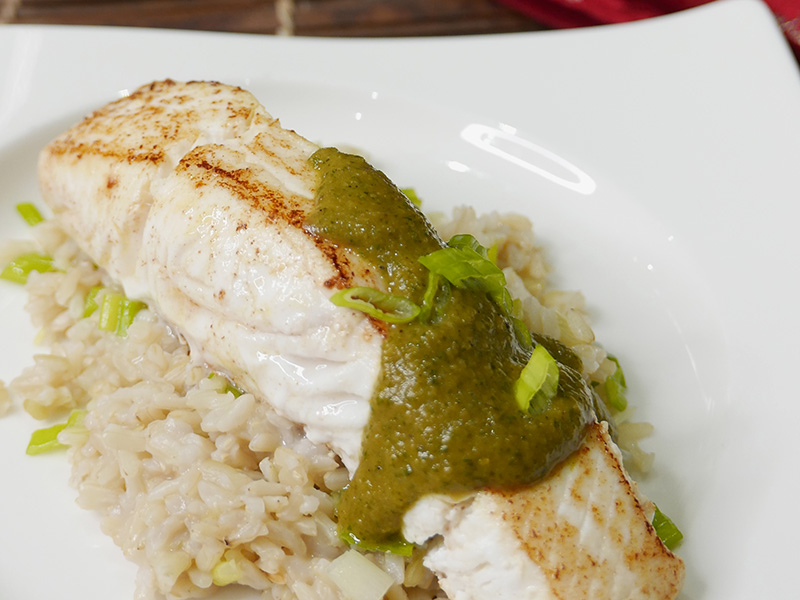
Halibut with Cilantro Ginger Sauce

Place a large skillet in the oven and preheat to 425°F.

Place the sesame oil in a small skillet over medium heat.

Add the shallot and cook for about 3 minutes until just translucent.

Add the minced ginger and cook for another three minutes.

Add the chicken stock, salt, pepper and stir. Simmer for about 15 minutes.

Place the sauce in a blender and add the fresh cilantro.

Puree until smooth.

Return to the skillet over low heat.

Add the honey and the butter and allow to melt.

Spray the large skillet with oil and add the halibut skin side down.

Roast for about 10 – 14 minutes until done.

Serve topped with the sauce.

Halibut with Basil Pea Puree

Thaw the frozen peas and rinse under cool water. Drain and add to a blender with the fresh basil, salt and pepper.

Purée in blender until smooth.

Place in a sauce pan and heat over medium heat. Heat the sauce, stirring frequently. When hot, reduce the heat to low to keep warm.

Preheat oven to 400° F.

Turn the halibut filets skin side up on a cutting board and lightly cut stripes in the skin about 1 inch apart. Don’t cut completely through the skin to the flesh (this is to keep the filet from curling as the fish cooks).

In a large non-stick skillet, heat the olive oil over high heat. The oil should be very hot – almost smoking.

Place the halibut filets in the hot pan skin side up. Cook for about 2 minutes until the flesh is light brown and has a slight crust to it.

Turn and allow to cook for about a minute on the skin side and then place in the hot oven. Roast for about 8 more minutes.

As the fish nears being done, divide the sauce between four plates making a large pool in the bottom of each plate. Top the sauce with the roasted fish and garnish with fresh basil sprigs.

Halibut in Foil with White Beans and Olives

Preheat the oven to 375°F.

Fold two pieces of aluminum foil so that they are almost a square (15 inches x 12 inches). Starting at one end of the folded edge, cut a half of a heart shape in such a way that when the foil is opened it is in the shape of a heart.

Place half of the beans on top of one side of the heart shape for each of the pieces of foil.

Top each with the halibut filets.

Add half of the yellow pepper strips, olives, capers, olive oil, white wine, green onion, salt, pepper and thyme.

Close the foil by rolling the edge inward, starting at the point of the heart and working around to the base of the heart.

The foil pouch with the fish inside will be in the shape of a large half circle.

Place the pouches on a cookie sheet and then into the oven and cook for 15 minutes.

Remove each pouch to a plate and let stand 30 seconds before cutting the pouch open.

There will be some hot steam that escapes when the foil is cut (be careful!).

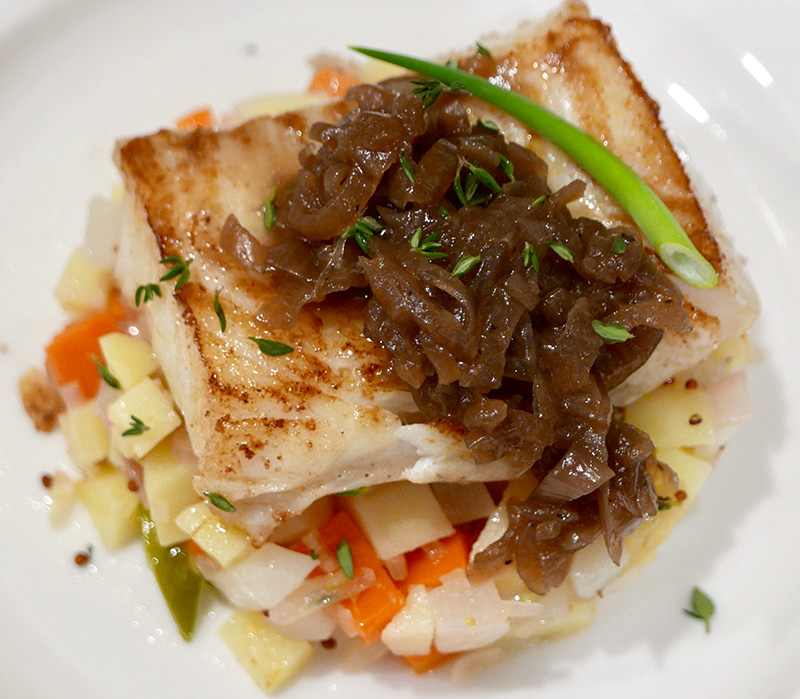
Whitefish with Root Vegetables in Warm Vinaigrette

Place the water in a saucepan over high heat and bring to a boil.

Reduce the heat to simmer and add the parsnips, carrots and turnip. Simmer for 5 minutes, then remove to a bowl full of ice water.

Turn off the heat but leave the saucepan with the water on the stove.

Place a small skillet over medium high heat.

Add 1 teaspoon of the olive oil to the pan, swirl, and then add the shallot and thyme.

Cook for about 10 minutes, stirring occasionally, until the shallot is translucent.

While the shallots are cooking, place 2 teaspoons olive oil with the lemon juice, 1/8 teaspoon salt, pepper, and mustard and whisk together.

Cut the green tops off of the green onion and thinly slice crosswise.

Cut the white part of the green onion lengthwise in half and then slice lengthwise in half again. Thinly slice the white part crosswise.

Add the green and white part of the green onion to the dish with the vinaigrette.

When the shallots are done, add them to the dish with the vinaigrette and toss gently until blended.

Turn the heat back on high for the water in the saucepan.

Place a medium skillet over high heat with 1 teaspoon olive oil and 2 teaspoons butter.

When the butter is hot, add the fish and sauté for about 5 to 6 minutes.

Turn and cook for another 4 to 5 minutes.

While the fish is cooking, add the chilled vegetables to hot water and reheat for about 3 minutes.

Drain and add the vegetables to the vinaigrette and toss until well blended.

Divide the vegetables between two plates and top with the cooked fish. Top with 2 tablespoons of the Onion Confit and serve.

Whitefish with Braised Red Cabbage

Place a large skillet over medium heat. Spray lightly with oil. Add the shredded cabbage. Cook for about one minute and reduce the heat to low.

Place a small skillet over medium heat. Add the olive oil and shallots. Cook gently for about 3 minutes. Add the carrot and cook for about one minute.

Add the white wine, chicken stock, maple syrup, tarragon, 1/8 teaspoon salt and pepper. Reduce the heat to medium-low. Simmer very slowly until almost all the liquid is reduced.

While the sauce is cooking stir the cabbage occasionally. Add the sugar and 1/8 tsp. salt.

Place a large skillet in the oven and preheat to 400°F. When hot spray lightly with olive oil and add the fish. Return the pan to the oven.

While the fish is cooking crumble the goat cheese into the cabbage. Stir together to help the goat cheese melt slightly.

Add the butter to the carrots and stir to melt.

Turn the fish after about 4 minutes. After another 4 – 6 minutes remove. Place the cabbage on two plates. Top with the fish and then the carrot glaze. Serve.